
Mapping the Subconscious, the Final Frontier for High-Performance Coaching
Most leaders and coaches pride themselves on their self-awareness. It is often cited as the ‘super-strength’ of modern leadership – the foundation of emotional intelligence, smart decision-making, and sustainable relationships.
However, there is a significant gap between our perception of self-awareness and reality. In fact it mastering true self-awareness has been shown to be one of the most overlooked gaps in leadership.
In an analysis of more than 75,000 senior executives researchers at Heidrick & Struggles revealed that only 13% show true self-awareness
For coaches and therapists, this gap represents the ultimate challenge:
How do we help clients master behaviors that are driven by a subconscious they cannot see?
The Neuroscience of the Autopilot Leader
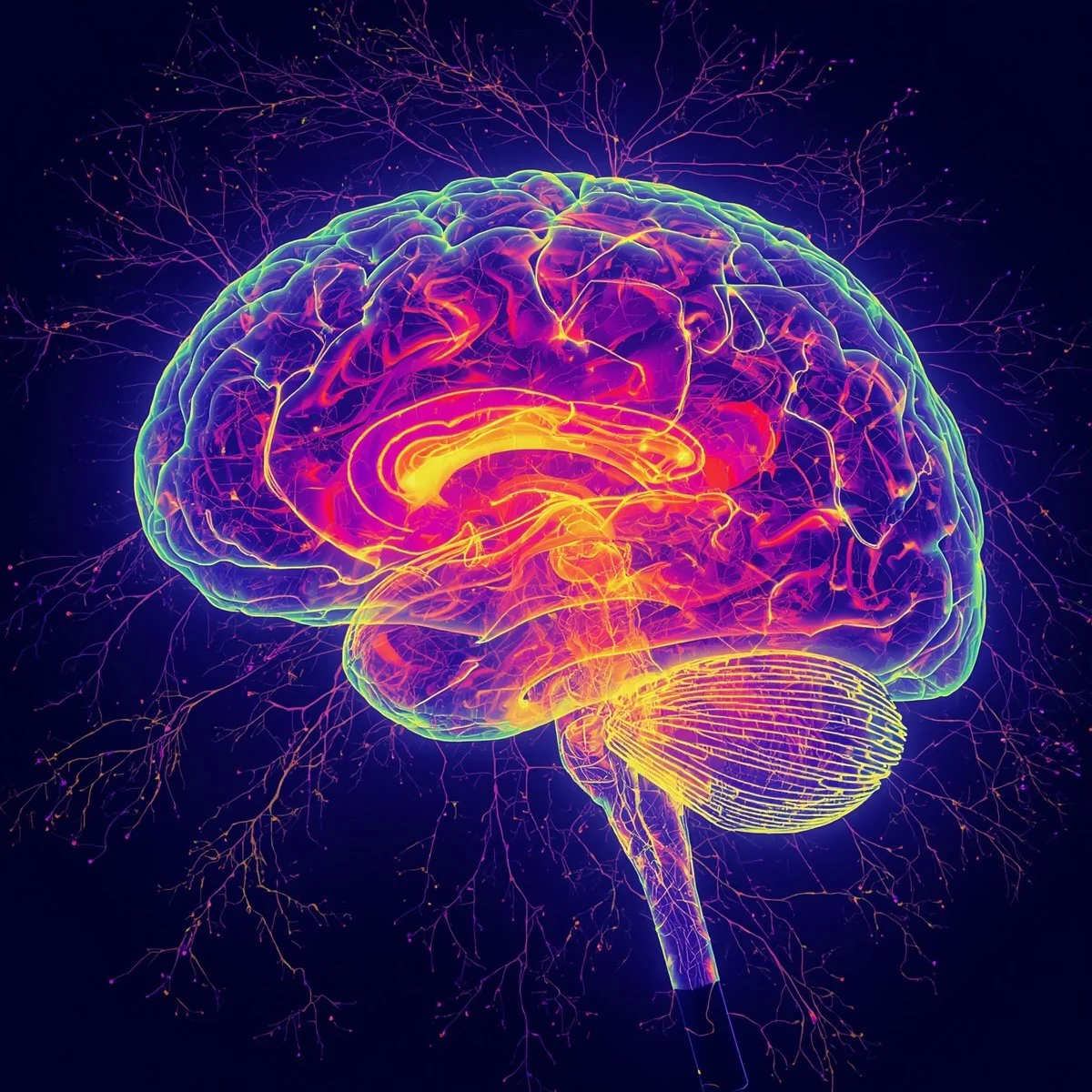
Our brains are wired for efficiency, not necessarily for accuracy. Much of our behavior is governed by the basal ganglia, the part of the brain responsible for formation of habits and routines which allow us to operate in autopilot mode for many repeatable functions, but it also creates ‘neural ruts’ where leaders repeat the same reactions regardless of whether they are effective.
This is often where traditional self-awareness training fails. Programs that focus only on conscious reflection struggle because they don't account for the fact that the subconscious brain processes information significantly faster than the rational, prefrontal cortex. We aren't just thinking; we are reacting based on years of implicit wiring.
The Experience Trap
One of the most dangerous myths in the corporate world is that experience equals self-awareness. In fact, numerous research studies, like those of Dacher Keltner talk of the ‘Power Paradox’ that suggests that more experienced or influential leaders are, the less self-aware they are.
As leaders rise in seniority, two things happen:
Reduced Feedback: People become more hesitant to provide honest critiques to those in power.
Overconfidence: Success can cause leaders to trust their gut implicitly, even when that gut feeling is actually just a subconscious bias or an outdated habit.
Speaking Your Mind
Consider the simple act of ‘speaking your mind’. Many leaders view this as a badge of authenticity. However, without high levels of self-awareness, this behavior can become a liability rather than an asset.
Self-awareness provides the ebb and flow of communication. It allows a leader to:
Read the Room: Knowing when to push forward with a strong opinion and when to pull back to allow others space.
Understand Emotional Context: Recognizing if they are speaking up because it is vital to the decision, or because they are feeling stressed and reacting to a need for control.
Balance Power: Creating a safe culture where others feel empowered to speak up, rather than being dominated by a single "strong" voice.
However, a very important question to consider, as posed by as organizational psychologist Dr Tasha Eurich in her talk Insight: Why We're Not as Self Aware as We Think (2017)
“If I’m not as self-aware as I think I am, how would I know?”
How Coaches Can Bridge the Gap
To drive true transformation, coaches must move beyond surface-level personality profiling. We must help clients understand both their conscious and subconscious selves so they can develop conscious behavioral agility.
Here are three tips to share with your clients today:
Trade ‘Why’ for ‘What’: Instead of asking "Why did I react that way?" (which often leads to unproductive rumination), ask "What are the situations that trigger this response?" This shifts the focus to objective patterns.
Audit the Power Gap: If you are a senior leader, actively seek out loving critics: people who have your best interests at heart but will tell you the harsh truth.
Master the Pause: Emotional intelligence lives in the millisecond between a stimulus and your reaction. Self-awareness training should focus on widening that gap.
Empowering You, Implicitly
At Openmind™, we believe that true growth starts by looking beneath the surface. Our methodology is designed to help practitioners and their clients uncover the implicit drivers of behavior – the ones that are actually steering the autopilot brain.
By understanding the neuroscience of how we think, feel, and behave, coaches can build much stronger teams, foster emotionally intelligent leadership, and create sustainable, empathetic working relationships.
Are you ready to take your coaching practice deeper?
Find out if you are eligible to join our network of accredited practitioners and learn how Openmind™ can empower your clients, implicitly.
Visit us at:www.openmindglobal.io/practice
Contact us:contact@openmindglobal.io